
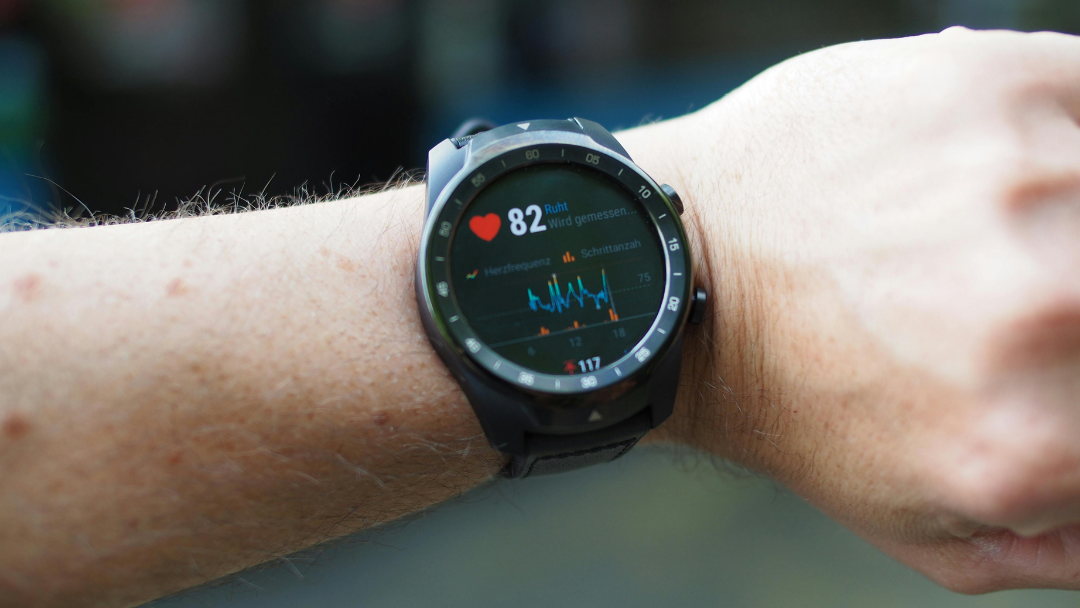
If your wearable keeps flagging low recovery even when you think you are doing everything right, HRV is worth paying attention to. Learning how to improve HRV is less about chasing a single score and more about understanding how your nervous system responds to stress, training, sleep, pain, and daily load.
Heart rate variability measures the variation in time between heartbeats. Higher is not always better in every context, but in general, a healthy and improving baseline suggests your body has more flexibility to adapt. That matters if you want better energy, stronger training response, less burnout, and more resilience as you age.
What HRV Actually Tells You
HRV reflects the balance between stress and recovery in your autonomic nervous system. When your system is under more strain—whether from poor sleep, hard training, alcohol, pain, illness, or psychological stress—HRV often trends down. When recovery is strong and the body feels safe, HRV often trends up.
The key word is trends. One low reading doesn't mean you're broken. One high reading doesn't mean your system is thriving. What matters is your pattern over time, ideally measured under similar conditions each day. For most people, morning readings are the cleanest signal.
This is where many people get stuck. They treat HRV like a performance grade instead of a feedback tool. The better approach is to use it as a decision-making metric. If your HRV is consistently dropping, the question is not how to force the number up overnight. The question is what stressor is driving the drop.
Start With Sleep—It's Usually the First Lever
Sleep is one of the most powerful drivers of HRV. Research shows that heart rate variability rebounds following recovery sleep after periods of sleep restriction, underscoring the importance of sleep for restoring autonomic nervous system function.
Short sleep, fragmented sleep, inconsistent bedtimes, and late-night stimulation can all push the body toward a more stressed state. Even one or two nights of poor sleep can show up in your HRV data.
The most effective change is often consistency. Going to bed and waking up at roughly the same time helps regulate circadian rhythm and improves recovery quality. A cooler room, less light exposure before bed, and fewer heavy meals or drinks late at night can also make a measurable difference.
If your HRV remains low despite spending enough time in bed, look deeper. Snoring, sleep apnea, elevated evening cortisol, blood sugar instability, and pain can all interfere with true recovery. This is why root-cause care matters. The symptom is low HRV, but the driver may be hidden.
Training Load Has to Match Recovery Capacity
Hard training can improve HRV over time, but only if your body can absorb it. Research demonstrates that HRV-guided training may be more optimal compared to predetermined training for exercise performance improvements. If you are stacking intense sessions on top of poor sleep, a busy schedule, lingering pain, and under-fueling, HRV often falls because your system is spending too much time under strain.
This doesn't mean train less forever. It means train with better precision. On days when HRV is suppressed and resting heart rate is elevated, it may make sense to shift from high intensity to zone 2 cardio, mobility work, strength technique, or active recovery. On days when recovery markers are strong, your body is usually better prepared to handle intensity.
There is also a long-game effect. Aerobic fitness tends to support higher HRV over time because it improves parasympathetic tone and recovery efficiency. For many adults, more low-intensity cardiovascular work is the missing piece, not more all-out effort.
Breathwork Can Change State Quickly
Breathing is one of the fastest ways to influence the autonomic nervous system. When you slow the breath and extend the exhale, you can often shift the body toward a calmer, more recovered state.
Scientific research shows that slow, diaphragmatic breathing at about 4-6 breaths per minute improves vagal tone and heart rate variability (HRV). Simple protocols work well. Five to ten minutes of slow nasal breathing, especially with a longer exhale than inhale, can help bring down stress load. This is useful after intense workdays, before sleep, or after training when your system feels revved up.
Studies demonstrate an average increase in HRV parameters reflecting vagally-mediated HRV in response to voluntary slow breathing, lending support for the connection between controlled breathing and improved parasympathetic activity.
That said, breathwork is not magic. If your HRV is low because you are sleeping five hours, drinking too much, and training like you are preparing for a championship, breathing drills alone will not solve the problem. They are powerful, but they are still part of a larger protocol.
The Hidden Factors That Often Suppress HRV
When HRV stays low for weeks, the issue is often more than stress in the abstract. It is usually a combination of physical and physiological load.
Pain and Inflammation Matter More Than People Realize
Ongoing pain is a stressor. If your body is dealing with recurring back tension, joint irritation, headaches, or postural overload, your nervous system may stay on guard. That can reduce HRV even if your training and sleep look decent on paper.
This is one reason integrated care matters for performance and longevity. Restoring movement quality, reducing tissue irritation, and improving mechanics can lower the total stress burden on the system. Better recovery is not always about doing more. Sometimes it starts with removing what keeps the body stuck in defense mode.
Blood Sugar Swings Destabilize Recovery
Large spikes and crashes in blood sugar can affect sleep, energy, cravings, and stress physiology. If you under-eat, skip protein, overload caffeine, or rely on high-sugar meals, HRV may reflect that instability.
A steadier pattern tends to help. That usually means eating enough total calories, prioritizing protein, building meals around whole foods, and timing carbohydrates in a way that supports activity and sleep. For active people, under-fueling is a common and overlooked reason for low HRV.
Alcohol Is a Major Disruptor
Many people are surprised by how strongly alcohol affects HRV. Data shows that consuming even a single drink causes HRV to drop by an average of 7 milliseconds and resting heart rate to increase by 3 beats per minute. Research demonstrates a clear dose-response relationship, with HRV decreasing by 3.4% after one drink, 8% after two drinks, and 15.3% after four drinks.
Even small amounts can reduce overnight recovery, elevate resting heart rate, fragment sleep, and suppress next-day readiness. If your wearable regularly shows poor recovery after a drink or two, believe the signal. You don't need perfection, but you do need honesty about what your body tolerates.
What to Do When Your HRV Is Low
A low HRV reading is not a crisis. It is a cue to adjust. Start by looking at the previous 24 to 72 hours. Did you sleep less, train harder, travel, drink alcohol, eat poorly, or deal with more pain or emotional stress? Usually the answer is there.
Then match the response to the pattern. If the drop is mild and temporary, prioritize hydration, easier movement, quality food, and an earlier night. If HRV is trending down for a week or more, widen the lens. Review training load, work stress, sleep quality, recovery habits, and any unresolved pain or fatigue.
This is where data becomes useful instead of overwhelming. HRV works best when paired with other markers such as resting heart rate, sleep metrics, subjective energy, soreness, mood, and performance. One number rarely tells the full story. A pattern across systems does.
How to Improve HRV With a More Precise Strategy
For people who want measurable progress, the best path is a personalized one. Two people can have the same low HRV for completely different reasons. One may be overtrained. Another may be under-recovered because of pain, breathing dysfunction, metabolic stress, or poor sleep architecture.
A precision approach looks at the whole picture. Movement quality, tissue health, training load, nutrition, sleep behavior, and physiological testing all help identify what is actually holding recovery back. That is how you stop guessing and start building data-driven protocols that solve the root cause.
Instead of treating low HRV as an isolated metric, it makes more sense to assess the body and nervous system as a connected system, then use hands-on care, recovery therapies, breathwork, and measurable health data to improve the inputs that drive better adaptation.
The Goal Is Not a Perfect Score
HRV is useful because it reflects adaptability, not because it gives you a badge of health. A better nervous system response means you can handle training, work, pain, and life with more capacity and less breakdown. That is what most people are really after.
So if you are trying to improve HRV, focus less on hacking the number and more on building a body that recovers well. Sleep deeper. Train with intention. Breathe better. Eat enough. Reduce pain and hidden stressors. Track the trend, respect the feedback, and let the data guide smarter decisions over time.
Ready to Optimize Your Recovery?
Low HRV is a warning signal, not a diagnosis. Understanding what's driving yours—whether it's sleep, stress, inflammation, or metabolic dysfunction—requires integrated assessment. We'll help you decode the pattern.
Book Your Free Discovery Session